Het natiënhuis
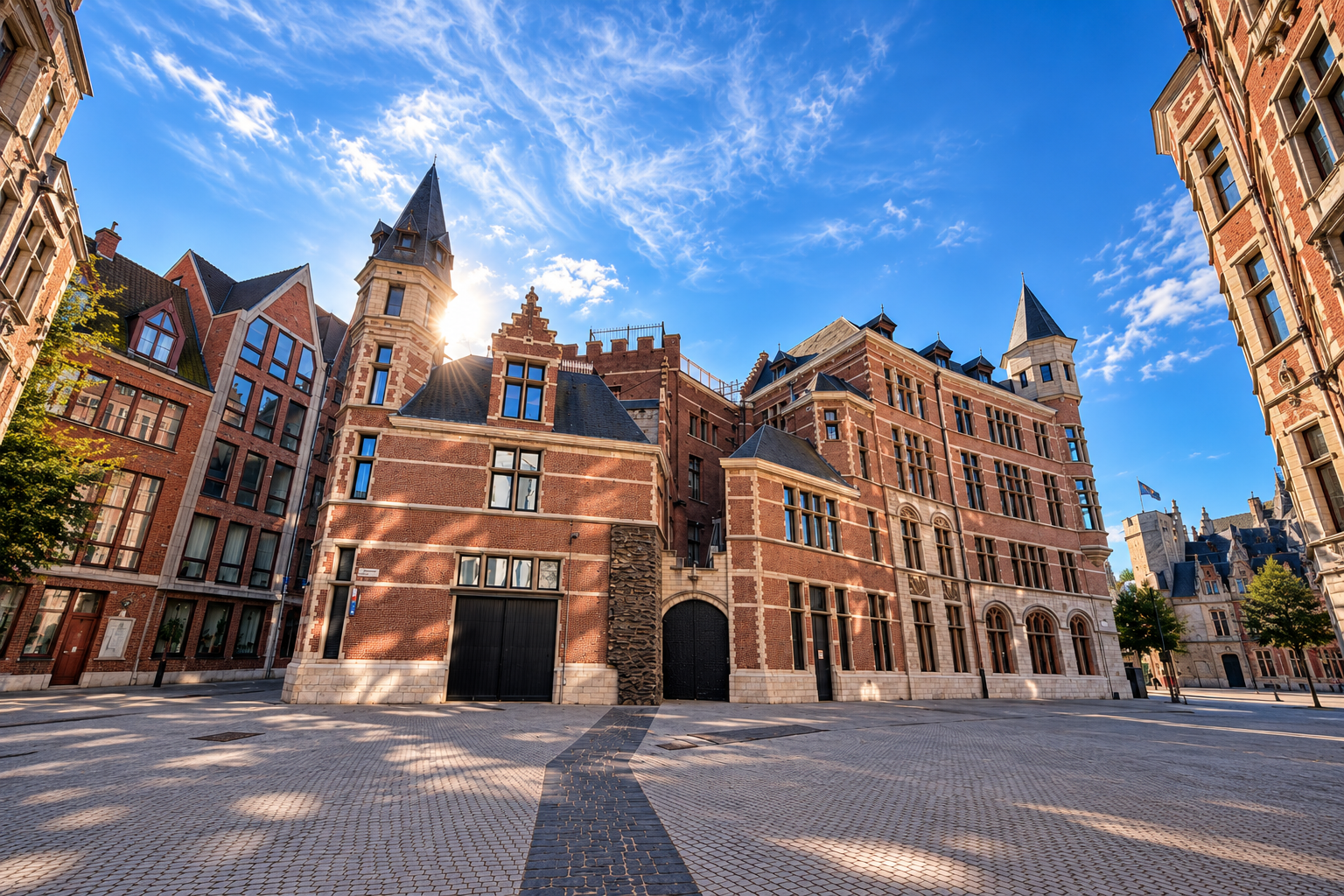
Eight centuries of history.
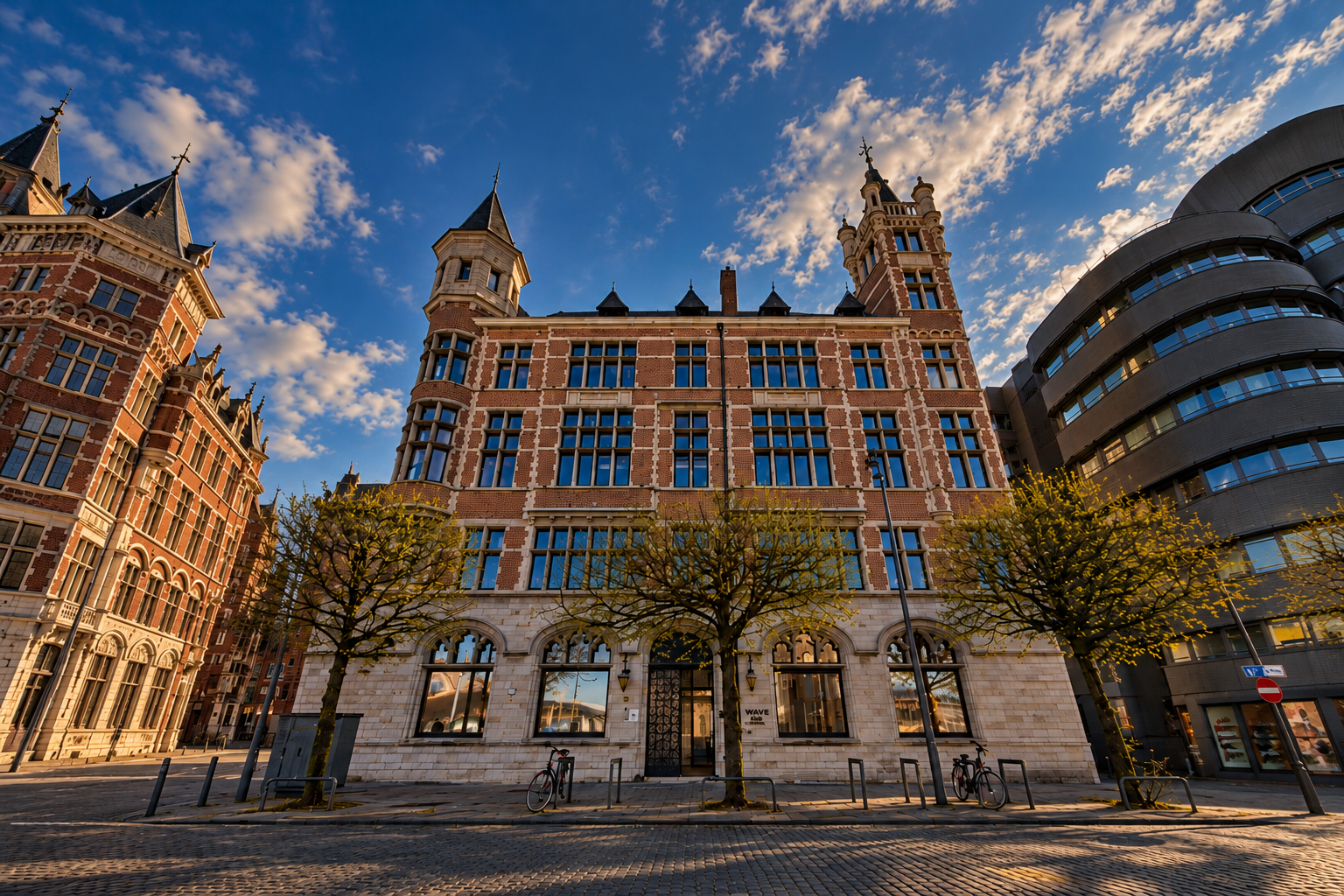
Built between 1904 and 1911, the Natiënhuis is a striking neo-Gothic landmark overlooking the Scheldt in the historic heart of Antwerp. Designed by Joseph Hertogs and later expanded by Emile Thielens, the building reflects the city's rich maritime heritage and its importance as an international trading port.
Named after Antwerp's traditional port-handling companies, known as naties, the building remains a distinctive reminder of the city's commercial and maritime past. Once closely connected to the activities of Antwerp's bustling port, the Natiënhuis continues its legacy as a place of business, creativity and entrepreneurship.
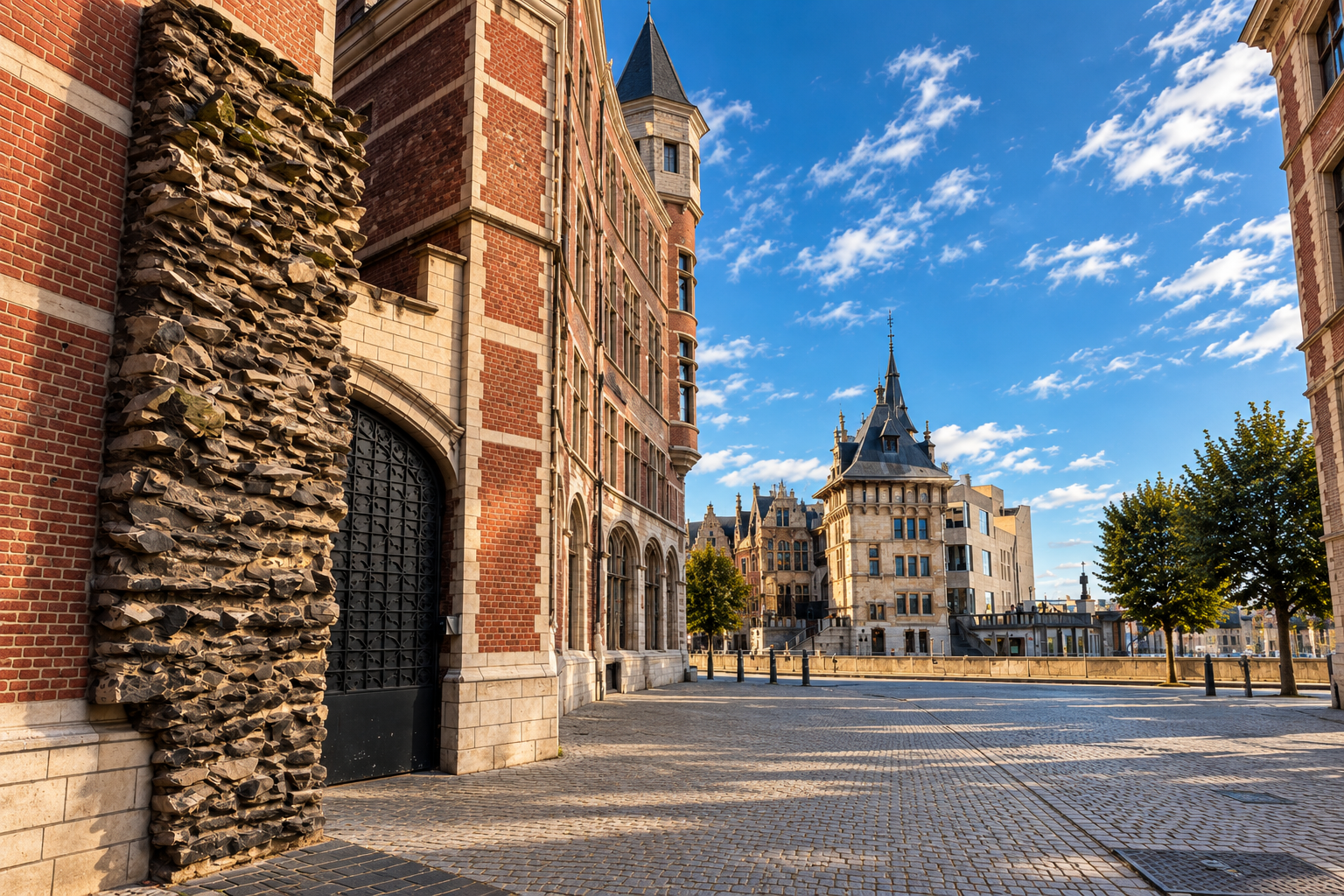
Walls of History
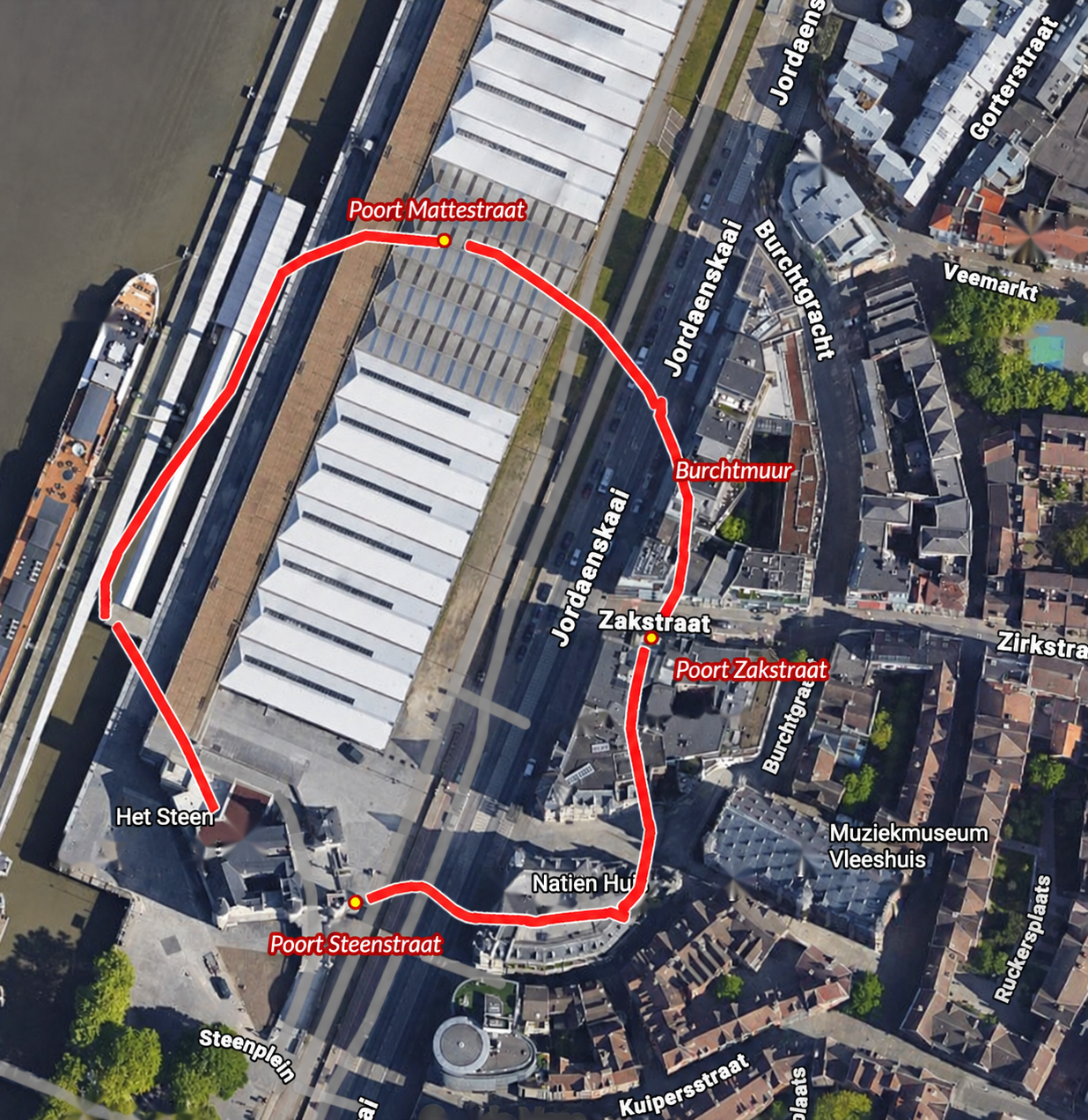
Its history stretches back even further. The building incorporates fragments of Antwerp's 13th-century castle wall, a remarkable reminder of the city's medieval fortifications. With Het Steen at the front and the medieval Vleeshuis at the rear, the Natiënhuis stands surrounded by centuries of architectural history.
A Contemporary Workplace
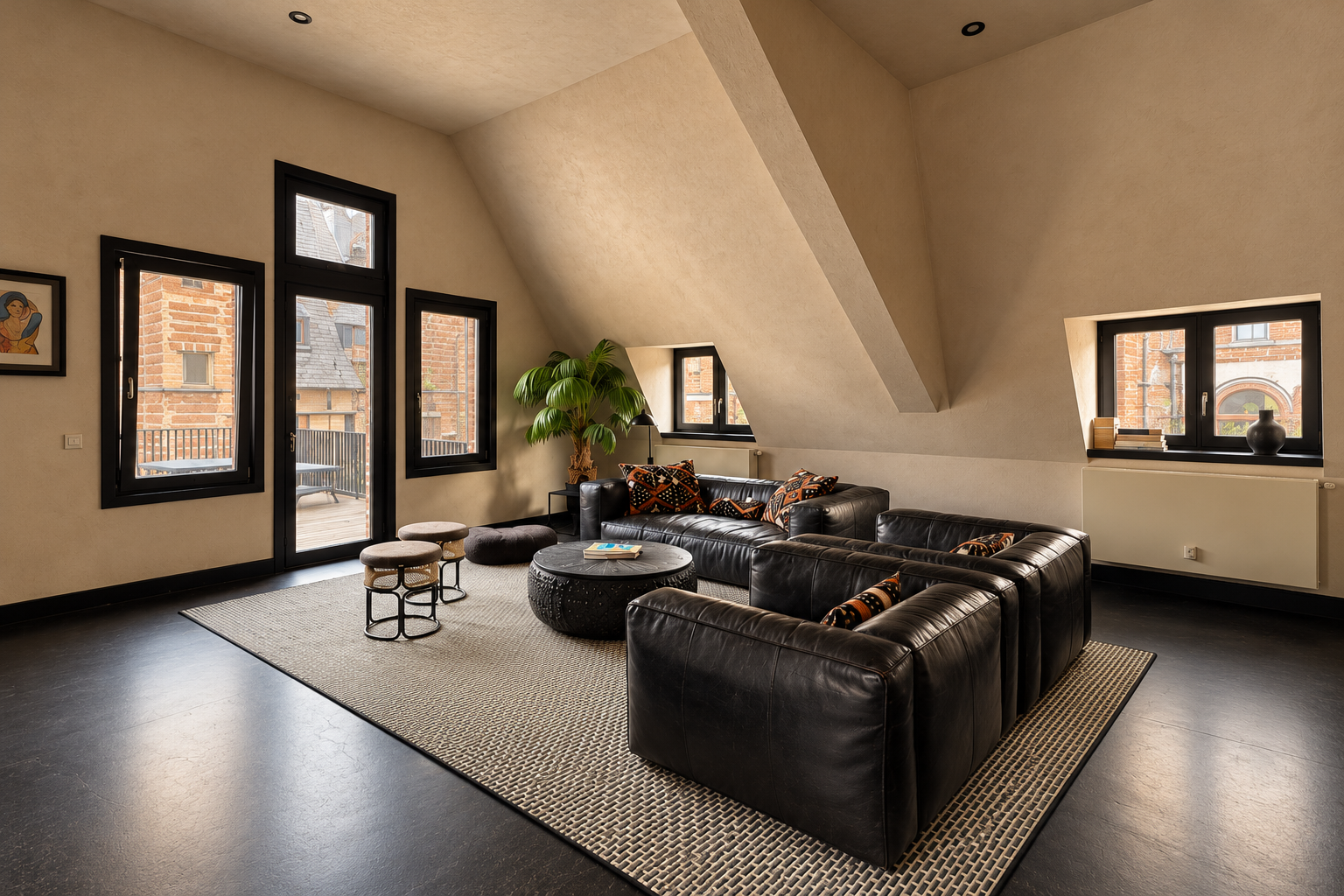
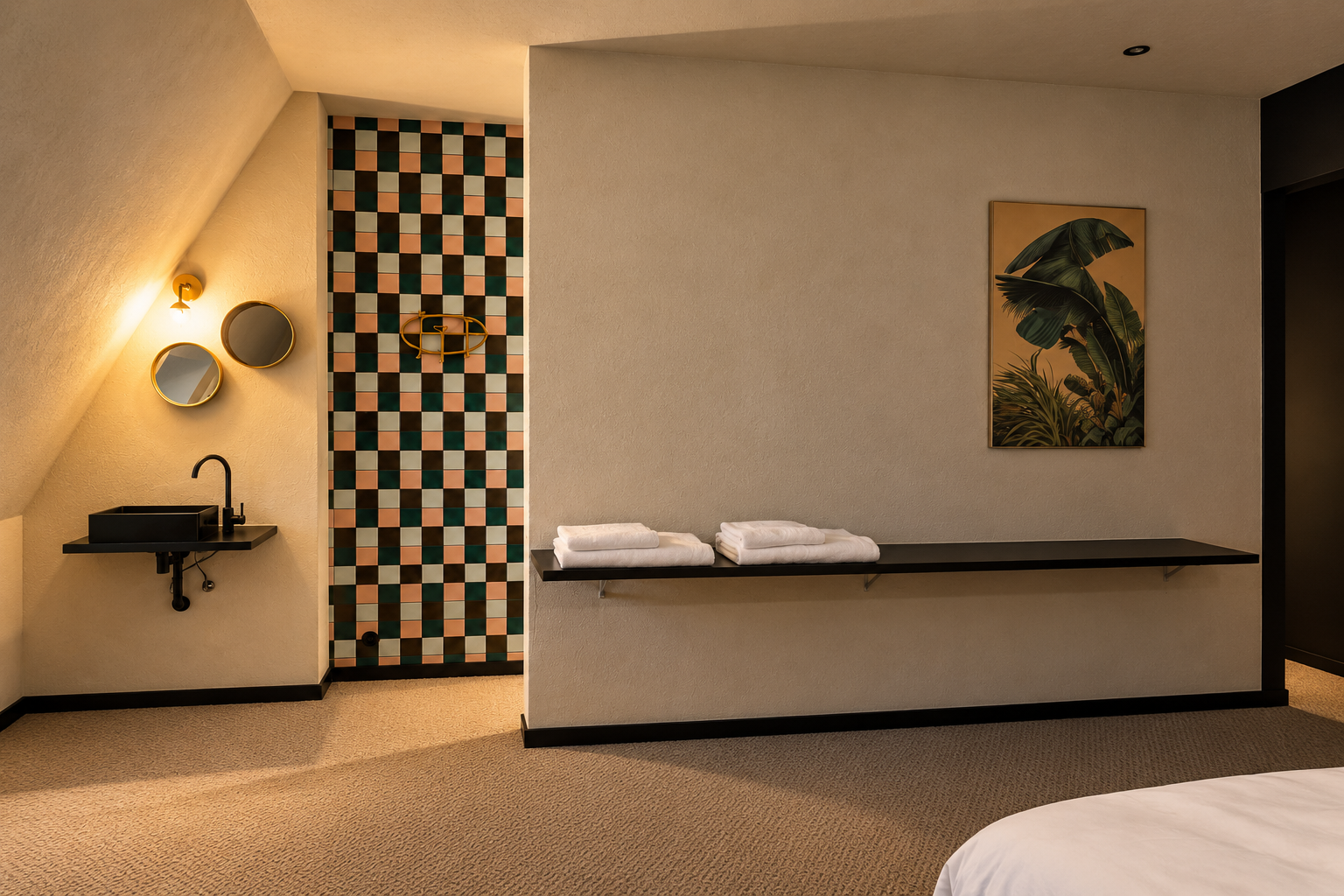
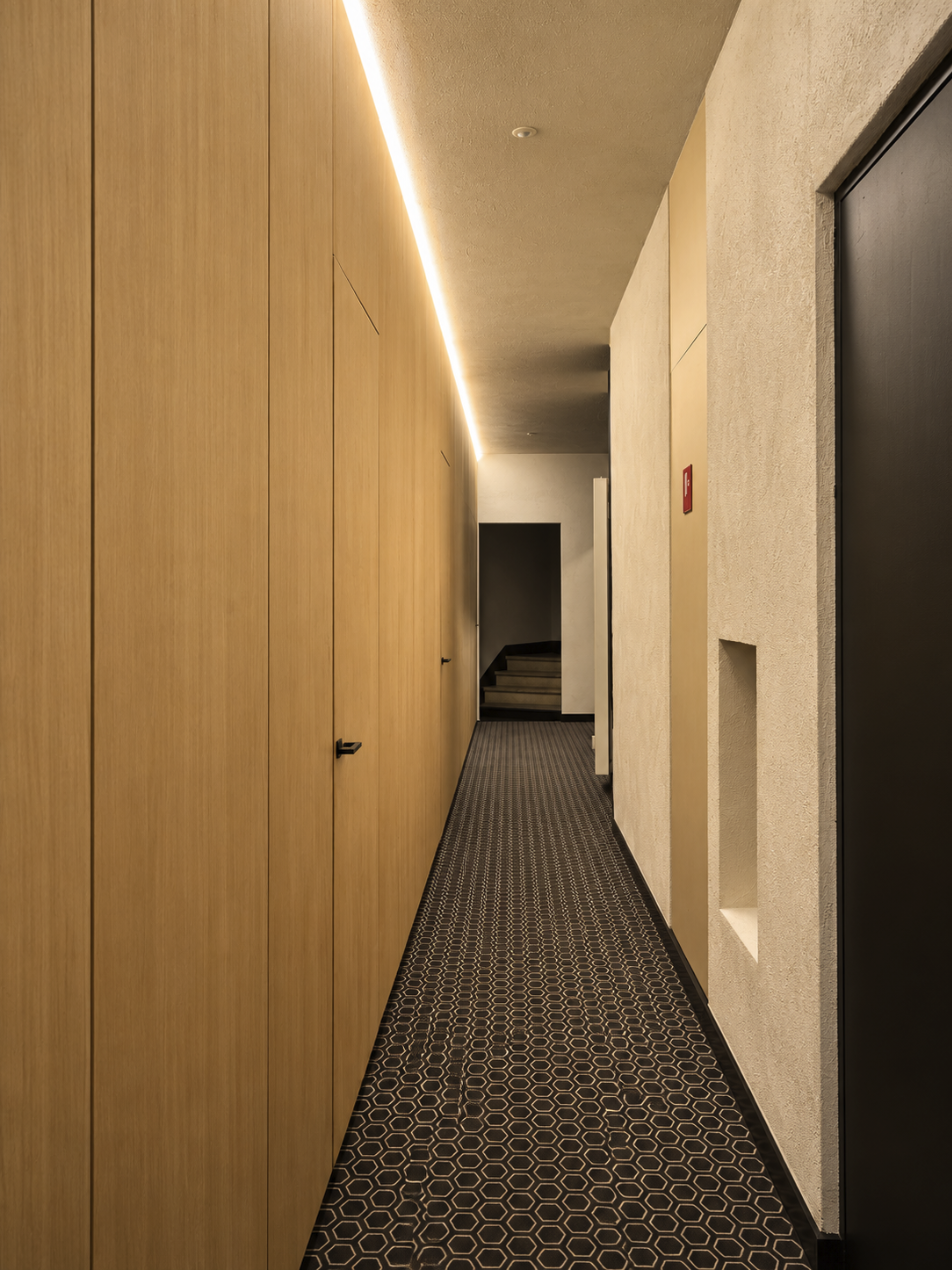
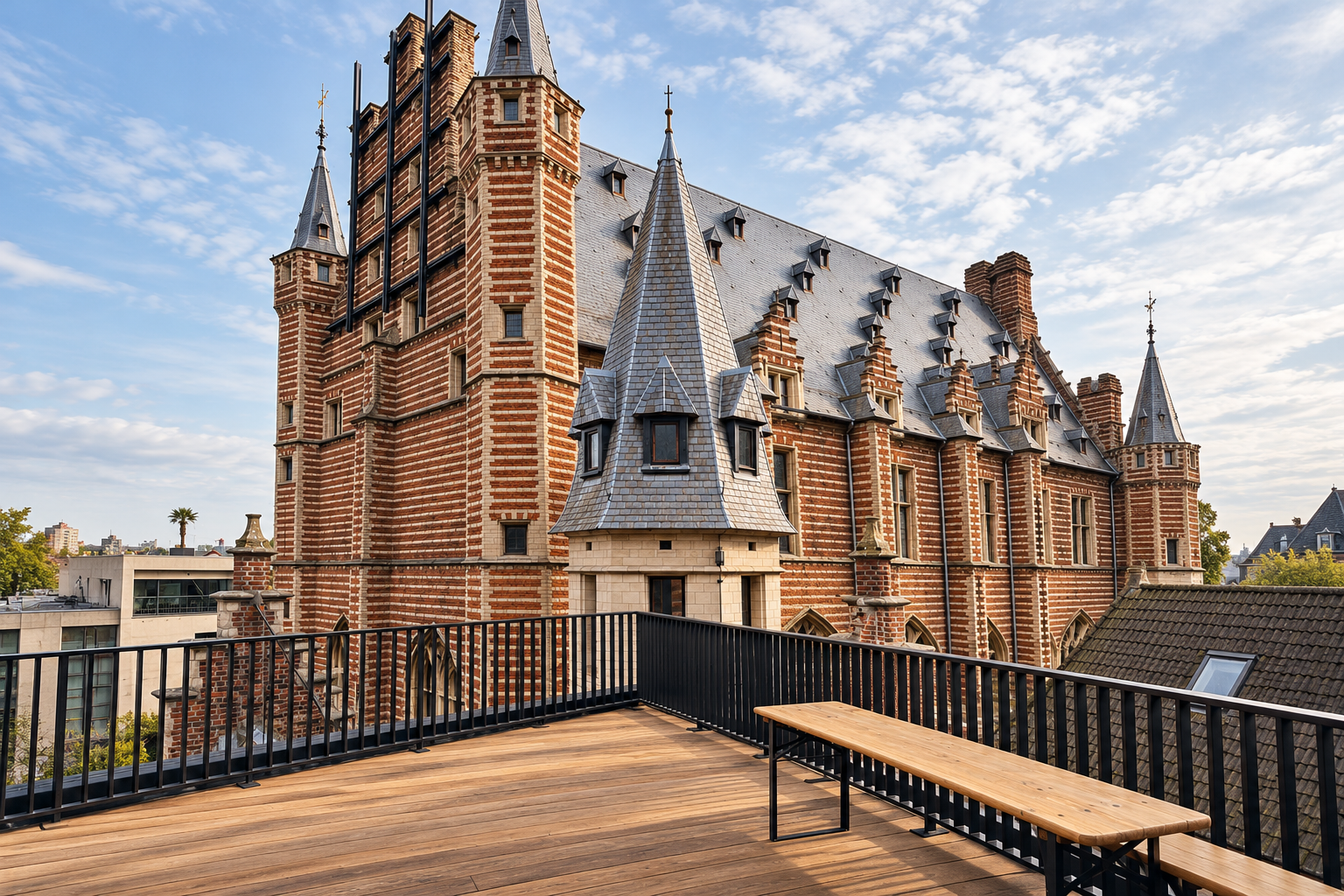
Today, the Natiënhuis is home to a variety of businesses, including WAVE's own offices. Historic architectural details meet contemporary interiors, creating a distinctive working environment where heritage and modern design complement one another. More than a preserved landmark, the Natiënhuis remains an active part of Antwerp's evolving urban landscape, proving that iconic buildings are not just about their past, but also about the future they help shape.